A Green Approach to Getting Rid of Used Cookware
Today's world is increasingly focused on sustainability and environmentally-friendly practices. When it comes to everyday household items, particularly old pots, pans, and other cookware, many people are unsure of the best way to dispose of them without harming the planet. This comprehensive article explores a green approach to getting rid of used cookware, offering practical, innovative, and eco-conscious solutions for kitchen sustainability.

Why Is Green Disposal of Old Cookware Important?
Cookware such as pots, pans, and baking sheets are made from various materials - aluminum, stainless steel, copper, ceramic, and nonstick coatings - all with unique environmental impacts when disposed of irresponsibly. Landfills are already overburdened, and when cookware is simply tossed in the trash, these materials may take decades or even centuries to break down. Additionally, nonstick coatings can leach chemicals into the environment.
Practicing green disposal methods helps conserve resources, reduces landfill waste, and diminishes the demand for new raw materials. Let's delve into effective, green strategies for getting rid of old and unwanted cookware.
What Are the Most Eco-Friendly Ways to Dispose of Old Cookware?
1. Reuse and Repurpose
Before tossing your used cookware, ask yourself: Can these items be given a second life? Reusing and repurposing is the ultimate green method, avoiding the need for recycling or disposal altogether.
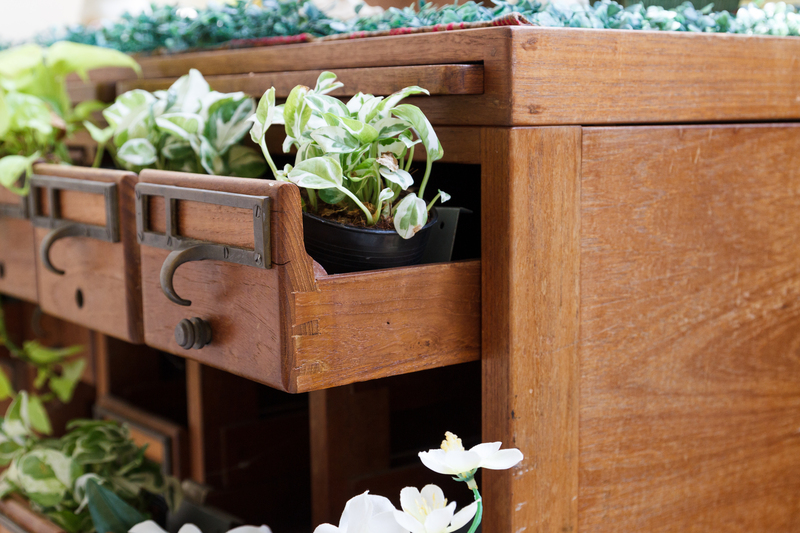
- Garden Planters: Old saucepans or baking trays make unique, rustic plant pots.
- Tool Holders: Stockpots or colanders serve well as holders for garden tools or art supplies.
- Outdoor Decor: Create bird baths, feeders, or quirky garden ornaments from large pans or teapots.
- Craft Projects: Artists and crafters can transform cookware into lamps, clocks, or storage containers.
Repurposing eliminates waste and brings creativity into sustainability. Share your success stories or look for inspiration on social media and crafting blogs!
2. Donate or Give Away
If your cookware is still functional, consider donation. This approach extends the lifespan of your items and helps others in need.
- Charities: Organizations such as Goodwill, Salvation Army, or local shelters often accept pans and pots in good condition.
- Community Freecycle: Online platforms like Freecycle, Buy Nothing groups on Facebook, or neighborhood apps (like Nextdoor) allow you to pass on unwanted items directly to your neighbors.
- College Students or New Households: Many people just starting out are grateful for free or low-cost kitchen supplies.
Always ensure the items are clean, not heavily damaged, and safe to use. Donation is a community-friendly way to reduce cookware waste.
3. Recycle Responsibly
Many kinds of metal cookware can be recycled, but it is essential to follow proper recycling protocols.
- Stainless Steel, Aluminum, and Copper: These metals are highly recyclable. Check if your local recycling center accepts pots and pans; often, you can drop them at a scrap metal facility.
- Cast Iron: These pans can also be taken to scrap metal recyclers or donated if they're still usable.
- Remove Non-Metal Parts: Detach wooden or plastic handles, glass lids, and any silicone parts, as these can interfere with metal recycling.
Recycling **used pots and pans** helps reduce mining for virgin materials and saves energy.
Note: Nonstick pans with Teflon or ceramic coatings may not be accepted by all recyclers due to the difficulty in separating the coating from the metal. Always check with your local recycling facility first.
4. Specialized Recycling Programs
Some cookware brands and retailers offer take-back or recycling programs specifically designed for used cookware disposal in an eco-friendly manner.
- TerraCycle: This innovative company offers recycling options for hard-to-recycle items, including cookware with nonstick coatings, for a fee.
- Retailer Drop-Off: Stores like Williams-Sonoma and Sur La Table occasionally host recycling events for old pots and pans.
- Brand Initiatives: Some brands, such as GreenPan, offer take-back programs when you purchase new products.
Participating in these programs ensures your cookware is handled responsibly, keeping materials out of landfills and back in the manufacturing cycle.
5. Upcycle Into Art or Practical Objects
Upcycling is a step beyond simple reuse, transforming your cookware into something new and useful or beautiful. Here are some creative ideas for upcycling old cookware:
- Wall Art: Arrange colorful pans or lids on the kitchen wall for a bold statement piece.
- Garden Tools: Cut and shape sheet pans or metal bowls for spades, scoops, or even wind chimes.
- Clocks: Fit a clock mechanism inside a saucepan or skillet for an industrial-chic look.
- Organization: Pans can serve as catch-alls for mail, keys, or craft materials.
Share your upcycled creations on craft forums or platforms like Pinterest and inspire others to adopt a green approach to used cookware!
Cookware Materials: Considerations for Green Disposal
Different cookware materials have unique environmental footprints and recycling guidelines. Here's what you should know:
Aluminum
- Pros: Aluminum is lightweight, abundant, and infinitely recyclable.
- Cons: Requires significant energy to produce; check if coatings (such as Teflon) can be removed for pure metal recycling.
Stainless Steel
- Pros: Durable, valuable for scrap, and easy for most recyclable programs to process.
- Cons: If mixed with other materials, may need to be separated for recycling.
Ceramic, Porcelain, and Glass
- Pros: Inert and non-toxic; can be upcycled into mosaics or decorative items.
- Cons: Difficult to recycle curbside; usually must be tossed (unless you find a specialized program).
Nonstick/Coated Cookware
- Pros: Lightweight, easy to use.
- Cons: Coatings often contain chemicals (PTFE, PFOA) that are difficult to process safely. Specialized recycling is necessary.
Cast Iron
- Pros: Extremely durable, can last generations, recyclable as scrap iron.
- Cons: Heavy and bulky for transport; rare to find curbside recycling.
Frequently Asked Questions (FAQ) About Green Cookware Disposal
Can I put old pots and pans in my recycling bin?
Most curbside recycling programs do not accept cookware due to size, coatings, and material complexity. Take them to a scrap metal yard, or contact your municipality for special collection days.
Are Teflon or nonstick pans recyclable?
Only if the recycler or program can remove and process the coating safely. If unsure, seek out a specialized recycling program such as TerraCycle or contact the manufacturer for guidance.
What about cookware with plastic handles or glass lids?
Generally, remove and recycle plastic handles or glass lids separately, according to local recycling rules. If in doubt, consult your city's waste management resources.
Is it okay to throw cookware in the trash if it's broken?
As a last resort, you may dispose of broken cookware in the trash, but this should be avoided to prevent valuable materials from ending up in landfills. Always seek recycling, upcycling, or donation options first.
Can old cast iron be revived?
Absolutely! Many rusty or neglected cast iron pans can be restored by removing the rust and seasoning the metal. If restoration isn't possible, take them to a scrap yard where cast iron is readily accepted for recycling.
Tips for Buying Eco-Friendly Cookware in the Future
Choosing sustainable cookware helps minimize end-of-life waste. When shopping for new items:
- Select Durable Materials: Stainless steel, cast iron, and high-quality ceramics last much longer, reducing frequency of replacement.
- Avoid Disposable Nonstick: Pans with nonstick coatings often have short lifespans and are difficult to recycle.
- Check for Recyclability: Look for brands that offer recycling or trade-in programs.
- Opt for Modular Designs: Handles or parts that can be replaced individually extend product life.
The Environmental Impact of Traditional Cookware Disposal
When cookware ends up in landfills, metal corrosion, chemical leaching, and volume accumulation contribute to environmental degradation. The production of new metals requires mining, high-energy inputs, and generates greenhouse gases. By practicing a green approach to cookware disposal, you directly help:
- Reduce landfill waste
- Lower the need for virgin material extraction (mining)
- Conserve energy otherwise used in manufacturing
- Support a circular economy where resources are reused and recycled
Guilt-Free Kitchen Upgrades
Upgrading your cookware doesn't have to be an eco-guilt trip. By donating, recycling, or creatively reusing your old pots and pans, you can make way for new kitchen tools while minimizing environmental impact. Remember: the greenest cookware is the one you keep using the longest. Only replace when absolutely necessary and dispose of old items responsibly.
Conclusion: A Greener Way to Say Goodbye to Old Cookware
Adopting a green approach to getting rid of used cookware reflects a commitment to the environment and future generations. While tossing out old pans may seem like the easiest option, there are plentiful ways to recycle, upcycle, or share your cookware sustainably. With a little effort, you can transform kitchen clutter into a catalyst for positive environmental change. Let your next cookware upgrade be both an improvement for your culinary skills and for the health of our planet!
Ready to make your kitchen greener? Start today by choosing one of these eco-conscious disposal methods for your used pots and pans. Together, we can create a more sustainable future--one meal at a time!
